In a world where the consumer’s preferences are changing quickly and the market for alcohol-free spirits is witnessing a dramatic change. In the EU and UK is known for its long-standing traditions of alcohol they are witnessing an increase in demand for alcohol-free alternatives. In order to navigate this shifting environment successfully, businesses have to know the nuances of segmentation of markets. The first instalment of the series we’ll discuss the essentials of what market segmentation is and consider its significance to alcohol-free spirits.
What is the reason? Market Segmentation is Important
Market segmentation is a method to divide a larger market into smaller easier to manage segments that are based on certain characteristics, preferences, and behaviors. It’s a useful instrument to help businesses customize their offerings and marketing actions to meet the specific requirements of each market segment. Here’s a reason why segmentation of markets is important:
-
Specific Marketing By identifying distinct specific groups of consumers within the market companies can craft targeted marketing campaigns that resonate with the particular preferences and needs of every segment. This leads to more efficient marketing strategies and higher conversion rates.
-
Customer Customization Learning about different types of customers allows companies to design products that satisfy the tastes and preferences of each market segment. This does not just increase customer satisfaction but also boosts brand loyalty.
-
Utilization of Resources: Segmentation of markets helps in the efficient allocation of resources. Instead, instead of using a one-size fits all approach, businesses can focus their resources on segments with the highest potential for growth and profit.
-
Strategic Advantage companies that segment effectively their market gain a advantage in competition. They can pinpoint gaps in the market. They can also develop unique value propositions and differentiate themselves from rivals.
-
Customer Retention: Specialized marketing and services result in higher satisfaction with customers, which, in turn increases the rate of retention for customers. The more loyal customers are more likely to become advocates for your company.
Alcohol-Free Spirit Market in EU and UK
The types of alcohol-free spirit that are available
Before you can dive into market segmentation, it is essential to know the alcohol-free spirit environment in the EU in addition to the UK. The market has experienced a phenomenal growth, with an increasing range of alcohol-free options that are available. The most well-known categories are:
-
Alcohol-Free Gins: Made to capture the essence and flavor of traditional spirit, alcohol-free drinks offer similar flavor profiles but without the alcohol content. They are well-known for their ability to be used in cocktails as well in standalone drinks.
-
Alcohol-Free Whiskeys: Alcohol-free whiskeys aim to reproduce the rich and spicy flavors of whiskey that are traditional. They are perfect for those who like the taste of whiskey, but choose to stay away from alcohol.
-
Alcohol-Free Vodkas: Alcohol-free vodkas deliver the fresh and clean flavor of traditional vodka but without the alcohol. They can be found in many mocktails and mixed drinks.
-
Alcohol-Free Rums: Non-alcoholic rums capture the sweetness and richness of traditional rums, making them an important ingredient in non-alcoholic tropical drinks.
-
Tequilas with no alcohol: These alternatives maintain the earthy and agave aromas that are typically found in tequilas of the past, providing a delicious base for alcohol-free margaritas as well as other cocktails.
The variety of alcohol-free spirits showcases the industry’s dedication to providing a wide range of tastes and preferences. As the demands for these types of products continue to increase, understanding market segmentation becomes increasingly crucial for businesses seeking to thrive in this dynamic market.
In the next segment, we will look at how consumer choices play a crucial part in the alcohol-free spirit market segmentation, shedding light on the factors that influence people to choose alcohol-free options. Let’s get into this fascinating journey to understand this EU and UK market for alcohol-free spirits.

Direct Supplier Excellence: Order Alcohol-Free Spirits in Volume from Swedish Distillers!
Understanding consumer preferences across the EU and UK Alcohol-Free Spirit Market
In our previous segment, we explored the foundations of market segmentation in the bustling EU as well as the UK alcohol-free spirit market. This second segment in our series delve deeper into the underlying issue that is consumer preferences. Understanding what makes consumers drink alcohol-free spirits is vital for businesses looking to create their niche in this growing market. Let’s start this journey of exploration.
A Changing Consumer Landscape Evolving Consumer Landscape
Consumer preferences are at basis of every market, and the alcohol-free spirit market is no exception. The following factors illuminate the transforming customer landscape:
Fitness and health trends
One of the primary drivers of the alcohol-free spirit market is the global trend toward health and wellness. Consumers are becoming more health-conscious seeking out products that work with their goals of a balanced lifestyle. Alcohol-free spirits provide a solution people who want to enjoy the taste and social aspects of drinking without the health risks associated with alcohol.
Millennial Influence
Generation Y, born between 1981 and 1996, have become the main influencers of the fashions of consumption. Generation Y values experiences more than possessions and is more prone to look for healthier and innovative options, such as alcohol-free drinks. This is also a significant group for businesses to target.
Social Responsibility
The majority of consumers, especially those who are younger are more responsible in their purchasing decisions. They support brands that are green, ethical, and socially conscious. Spirits producers that do not contain alcohol and promote the importance of sustainability and ethical production practices tend to resonate with the consumers.
Flavor Variety
The alcohol-free spirit market is responding to consumer demand for a variety of tastes. There are many options available, including a botanical-infused vodka, a spicy alcohol-free whiskey, or a tropical alcohol-free rum, the variety of flavors is a boon to different tastes and preferences. This is a huge draw for people who want curiosity and fun in their drinks.
Addiction to alcohol Reduction and Abstinence
In the case of people who are trying to limit their consumption of alcohol or eliminating alcohol altogether, alcohol-free spirits provide a refreshing alternative. They let people attend social gatherings and delight in the craft of cocktails without the harmful effects of alcohol.
Essential Considerations for Market Segmentation
Understanding these preferences of the consumer is pivotal for market segmentation. In order to effectively divide into the EU and UK market for alcohol-free spirits, businesses must consider the following points:
Demographics
Demographic variables like age gender, income and place of residence play a large role in influencing consumer preferences. For instance, younger consumers might be more prone to experiment with new flavors, and older people might prefer health benefits.
Lifestyle
Consumers’ lifestyles greatly influence their choices. For those who live a vigorous lifestyle, they may choose low-calorie, energy-boosting or alcohol-free options, whereas others might want alcohol-free beverages to relax at home.
Events
Certain occasions require various beverages. Businesses should consider how consumers are drinking alcohol-free drinks – whether for celebrations, social gatherings or personal leisure – and develop their marketing strategies in accordance with the needs of their customers.
Taste Preferences
Flavor profiles matter. Certain consumers favor Gin’s botanical flavors, while others might prefer the whiskey’s smoky flavour. Segmenting the market on preference for taste allows companies to concentrate on certain niches.
Values and Ethical Concerns
People are increasingly choosing brands that reflect their values. Companies that are committed to ethical sourcing sustainable, sustainability, and responsible production can appeal to the socially conscious consumer.
With these factors taken into consideration, companies can develop targeted marketing campaigns, make products that are tailored to particular consumer preferences and create a strong market presence within the EU and UK the alcohol-free spirit market.
In our next installment in the next section, we’ll take a look at the business landscape with a focus on the top players and strategies that are shaping its future. Stay tuned for tips on how to stand out in this thriving market.
Designing a Successful Strategy on behalf of your EU as well as the UK and the UK Alcohol Free Spirit Market
Welcome to the final installment of our trip through and through EU and UK alcohol-free spirit market. In previous installments we looked into trends in the market, and how consumers behave while revealing the changing landscape which businesses must navigate. It’s now time to look at how you can create an effective plan of action in this ever-growing field.
Knowing the Competitive Landscape
Before diving into strategy development it’s vital to understand the landscape of competition. The market for alcohol-free spirits is competitive and vibrant, with a myriad of players who are competing for consumers’ attention. Here are some insight into the state of the market:
Market Growth
The market for alcohol-free spirits is seeing a tremendous growth as new brands enter the market frequently. As demand for alcohol continues to increase, competition is growing so it becomes essential for companies to stand out.
Established Players
Several established players dominate the market, gaining good brand recognition and loyalty. They have set the standards in terms of quality and taste which makes it difficult for newcomers to break through.
Niche Players
These niche players have succeeded by catering specifically to consumer segments or by offering distinctive flavor profiles. They often succeed by satisfying unmet demand in the market.
Crafting Your Unique Selling Proposition (USP)
To make a mark in the highly competitive market, businesses need to define a compelling Unique Selling Proposition (USP). Your USP is your unique selling point that helps consumers decide to purchase your alcohol-free spirits over other brands. Here are some ideas to consider:
Flavor Innovation
In a marketplace with a wide range of taste preferences Innovative flavor profiles can be a game changer. Try out unique botanicals, infusion methods, and natural extracts that can create unique options.
Health and Wellness Focus
As a result of the growing health-consciousness among consumers, highlighting the health benefits of alcohol-free spirits is a convincing USP. The focus should be on sugar-free, low-calorie and natural ingredient attributes.
Sustainability and ethics
Consumers are increasingly embracing brands that value environmental sustainability, ethical sourcing and a responsible production. Showcase your commitment to these ideals in your marketing and packaging.
Marketing and Branding
Effective marketing and branding is vital. Design a logo that connects with your audience and tells an interesting story. Invest in eye-catching packaging that communicates your brand’s essence.
Collaborations and Partnerships
Join forces with influencers as well as bars restaurant owners, and even event hosts to increase your reach. Strategic partnerships could introduce your products and services to a wider audience.
Aim-based Marketing and Consumer Education
Once you’ve established your USP, it’s time to focus on marketing and consumer education. Here’s how:
Digital Marketing
Take advantage of the power and effectiveness of digital marketing to connect with your ideal public. It is important to invest in search engines optimization (SEO) and ensure that your website is ranked well in search results. Make use of social media platforms to connect with users and advertise your products.
Content Creation
Create informative content that informs consumers on the benefits and possibilities of alcohol-free spirits. Blog posts, videos, or infographics can aid consumers know how to incorporate your products into their daily lives.
Tasting Events
Hold tastings at bars, restaurants, and festival that are alcohol-free. Give customers the opportunity to taste your drinks firsthand can be a highly persuasive sales strategy.
Customer Support
Offer exceptional customer support to respond to inquiries and build trust. Friendly and knowledgeable customer support can convert potential customers into loyal customers.
In our next article, we’ll delve into distribution channels and methods to effectively put your products into the people’s pockets. Be sure to check back for further insights on expanding your market reach and making alcohol-free spirits more accessible to a wider range of consumers.
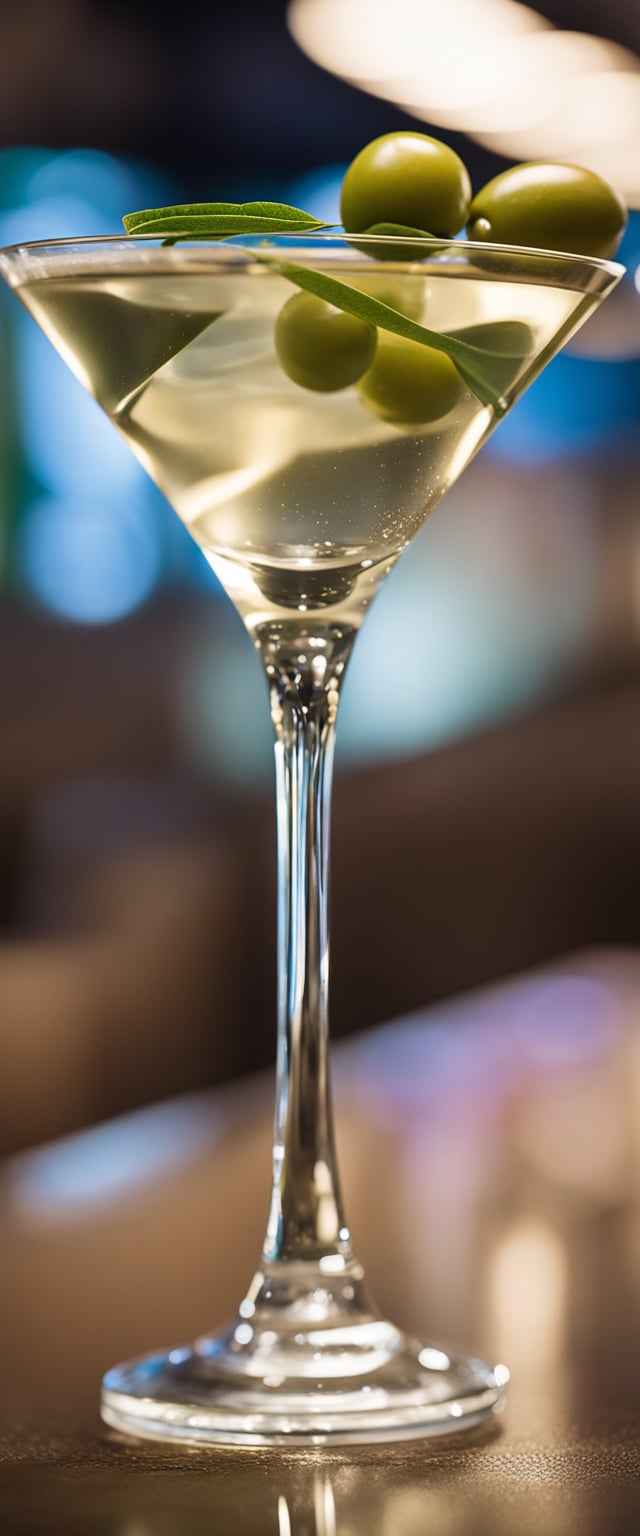
The Distribution Channels You Need to Use: Getting your Alcohol-Free Spirits out to Consumers
In our journey through in the EU and UK alcohol-free spirit market we’ve looked at market segmentation, consumer preferences, as well as crafting persuasive Unique Selling Proposition (USP). Now, we’re turning our focus to another important element that can make or break your business: distribution channels. How do you effectively make your alcohol-free beverages get into the hands of eager buyers? Let’s begin.
Understanding Distribution Dynamics
When you are deciding on your distribution strategy it’s important to comprehend what’s happening in the alcohol-free spirit market. Here are some important insights into this current state of affairs:
Traditional Retail
Traditional retail channels such as supermarkets and liquor stores were traditionally the main sources of distribution for alcohol. However, the landscape is changing as consumers search for healthier options.
Online Retail
The internet has changed the way we purchase and distribute of alcohol-free spirits. These platforms allow customers to investigate a broad range of options, making it an ideal source for new brands.
Specialty Stores
Specialty stores catering to consumers who are healthy or who are looking for unique products have turned into significant distribution partners. Take into consideration partnering up with these retailers to reach specific markets.
Restaurants and bars
Bars and restaurants serve as a vital part in introducing consumers to spirits that are alcohol free. Work with establishments to incorporate your product on their menus.
Making Your Distribution Strategy
Now that you have an understanding of distribution dynamics, let’s craft a winning distribution strategy:
Multi-Channel Approach
Try a multi-channel method of distribution to reach a wider audience. Combine traditional retail with e-commerce and specialty shops to increase your market exposure.
Online Presence
Invest in an effective online presence. Create a simple and user-friendly eCommerce website where shoppers can browse, order, and learn regarding your product. Optimize your site according to search results (SEO) to increase online visibility.
E-Commerce Partnerships
Explore partnerships with top E-commerce platforms, including Amazon or specific alcohol-free spirit marketplaces. These platforms are home to a huge audience looking to explore new products.
Wholesale Partnerships
Get in touch with wholesalers or distributors with a focus on alcohol-free beverages. These companies have networks established and can help your products reach many more retailers.
Direct-to-Consumer (DTC)
Take a look at a Direct to Consumer (DTC) concept, where you sell your alcohol-free spirits directly to consumers through your website. DTC allows for higher profits as well as more effective customer relationships.
Regulatory Compliance
Navigating the alcohol-free spirit market is also a matter of compliance with regulatory requirements. Make sure that your product meets the legal requirements and get the proper permits and licenses for distribution.
Consumer Education
The process of educating consumers about your products is essential for the success of distribution. Use these strategies to help:
Informative Website
Create a website that offers extensive product information as well as cocktail recipes and often asked question (FAQs). This information will assist consumers to make informed choices.
Tasting Events
Then, host tastings at different distribution points, which allows consumers to try your alcohol-free liquor. These events provide a hands-on experience and help build brand loyalty.
Social Media
Use social media platforms to connect with customers and distribute materials that educate them on the benefits and uses of your products.
The Next Section is Introducing The Main Goal is to maintain market relevance.
As we close this section on distribution channels, we need to keep in mind that getting alcohol-free spirits into the consumers’ hands is only the beginning. In the next section we’ll look at ways to ensure that your product remains relevant as well as continuously adapting to evolving customer demands. Keep an eye out for more insights on new product development and staying ahead of the game.
Sustaining Success: Navigating the EU and the UK Alcohol-Free Spirit Market – Part 5
Welcome to the final part of our series that covers the EU and UK alcohol-free spirit market. In this concluding piece, we’ll discuss the most important elements of ensuring that the market remains relevant and summarize the most important lessons from our research. Therefore, let’s take on this final phase of our exploration.
Staying ahead of the curve through innovation
The market for alcohol-free spirits continues to evolve keeping ahead of the trends is vital. Here’s how you can innovate for a more relevant market:
New Product Development
invest in research and development to come up with innovative alcohol-free spirits that cater to changing consumer preferences. Try out new flavors including ingredients, packaging, and packaging to grab the attention of consumers.
Health and Wellness Focus
Make sure you emphasize the health and wellness aspects of your products. Then, highlight the nutritional benefits, natural ingredients, and how spirit that is alcohol-free is a component of a healthy lifestyle.
Sustainable Practices
Use sustainable practices for production and packaging. Eco-friendly alternatives resonate with eco conscious consumers. This can help you set your company apart.
Branding and Marketing
Effective branding and marketing are essential to sustain successful business. Use these strategies to your advantage:
Storytelling
Let your brand’s story be heard through captivating content. Make sure to highlight the story, values, and mission behind your alcohol-free spirits to connect with consumers at a higher level.
Collaborations with Influencers
Connect with influencers within the health and wellness or mixology fields. Their endorsement could increase your reach, as well as boost your credibility your target market.
User-generated Content
Let your customers post their experiences with the products you offer on social networks. User-generated content can foster an overall sense of community as well as credibility around your brand.
Reacting to Trends in Consumer Behavior
Consumer trends are ever-changing. To stay relevant, follow and change with these trends:
Wellness and Health Trends
As people become more conscious of their health, align your products with wellness trends. Give sugar-free, low-calorie or alcohol-free drinks that are functional to meet the demands of customers.
Cultural Celebrations
Tap into cultural celebrations and holidays. Create special cocktails or menus specifically designed for these events for seasonality to boost demand.
Recap of Our Journey
Throughout this series, we’ve explored the intricate landscape of both the EU and UK liquor-free market. We’ll recap the main points from each piece:
Article 1: Market Segmentation
Understanding your customer’s needs and segmenting your marketplace is crucial for success. Discover niches within the alcohol-free spirit industry to ensure you can tailor your product offerings effectively.
Article 2: Crafting a compelling USP
Crafting a Unique Selling Proposition (USP) helps differentiate your brand. Find out what sets your alcohol-free spirits apart, be it quality, ingredients, or sustainability.
Article 3 Distribution Channels
Effective distribution is vital. Adopt a multi-channel model, consider e-commerce as an investment, and look into partnerships for reaching an even greater audience.
4. Regulatory Compliance as well as Consumer Education
The compliance with regulations is not a matter of course. Inform consumers about your product by providing informative tasting events, websites, and social media participation.
Article 5: Sustaining Success
Innovation branding, innovation, and adaptability are crucial to the continued success of a business. Be aware of consumer developments, focus on health and take time to appreciate cultural moments.
Conclusion
In the highly competitive EU and UK alcohol-free spirit markets, sustainable success is contingent on continuous improvement. From marketplace segmentation to distribution networks, regulatory compliance, and even innovation, we’ve covered the essential aspects to be successful in this industry.
Remember, success isn’t always a static event; it’s more of a journey that is constantly improving and adapting. Becoming agile, customer-focused and ingenuous you will be able to navigate the market for alcohol-free spirits with ease.
Thank you for coming along to this exciting journey. These insights should help your to make informed decisions and make a mark in this exciting market. Here’s to your continued success at the forefront of alcohol free spirits!